Grease Trap Cleaning in Tulsa, OKGet your kitchen's grease service in front of the right local hauler. One request. Stay on schedule.
Tell us about your project once. We pass it to one independent local grease hauler who serves your area and handles this kind of work, and they contact you to talk through scope, schedule and price.
- Interceptors and under-sink traps
- We ask haulers to confirm city permits
- Free request, no obligation
Free matching service by Voraus LLC. We're not a grease hauler and don't perform the work. Independent providers quote and contract with you directly.
Start your free request
About 2 minutes · rough answers are fine
Goes to one independent provider, never a list. Privacy
From one request to a real conversation, in three steps
No accounts, no bidding wars, no list of strangers calling you.
Tell us about your kitchen
Business type, trap or interceptor size if known, current service frequency, and location.
We match you with one local hauler
We pass your request to one independent hauler and ask them to confirm their City of Tulsa permit.
The hauler follows up, you decide
They'll confirm trap details, access and timing, and propose a schedule and price. You choose whether to sign up. Service agreements are directly between you and the hauler.
The simple way to keep your kitchen's grease service on track
Tell us about your kitchen, your trap or interceptor and how often it's serviced. We pass your request to an independent local grease hauler, and we ask haulers to confirm their City of Tulsa permit. They contact you to set up service.
Finding a hauler who serves your part of town, explaining your trap size and schedule to each one, and waiting on callbacks takes time a busy kitchen doesn't have. One clear request, sent to one hauler who fits it, gets you to a real conversation faster.
Start my free requestOne free request
Describe your project once instead of calling around. It's free to you, and you never pay us anything.
Matched by project type & size
We use your project type, size and location to choose which independent local grease hauler receives it.
You stay in control
Your request goes to one provider, not a list. Ask questions, compare other quotes, or say no.
No obligation
Sending a request doesn't commit you to anything. Any contract is between you and the provider.
Fast response goal
Our goal is to pass every complete request to a provider within one business day. When you hear back depends on the provider and the season.
Common grease service requests
Pick the closest match in the form and add details. The provider will confirm the rest.
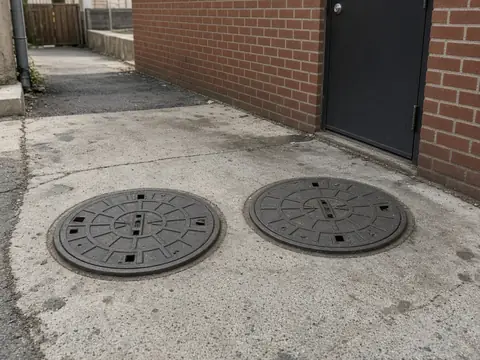
Outdoor interceptors
Scheduled pumping for in-ground interceptors behind the building.
Start this request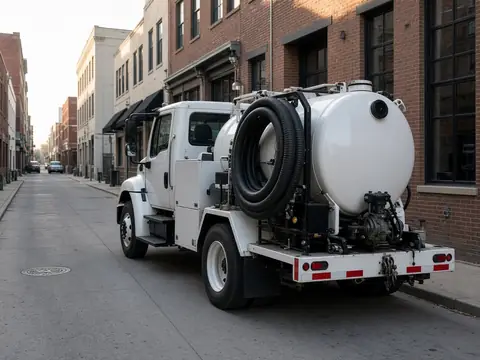
Recurring service
A set pumping schedule with manifests at every visit.
Start this request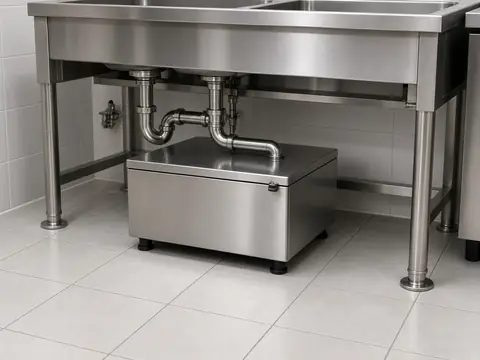
Under-sink traps
Cleaning for smaller traps under sinks and prep stations.
Start this requestAlso requested
Grease interceptor pumping
Pumping large in-ground or outdoor interceptors, the standard for many full-service restaurants.
Under-sink grease trap cleaning
Cleaning smaller indoor traps, which usually need more frequent service.
Scheduled maintenance plans
Recurring service on a set schedule so your trap never gets too full and your records stay current.
Line jetting
Hydro-jetting kitchen drain lines to clear grease buildup between the kitchen and the trap.
Used cooking oil collection
Collection of fryer oil for recycling, which some haulers and renderers provide alongside trap service.
Emergency service
Backups, overflows and odors that can't wait for the next scheduled visit.
Inspections and records
Manifests for every pump-out and help keeping records ready for city inspections.
New or changing service
Opening a new location, changing hauler, or adjusting frequency after a menu or volume change.
What affects the cost of grease trap service
Every job is quoted individually by the provider. These are the factors that usually move the number, so you know what to expect and what to put in your request.
Trap size
Larger interceptors hold more and take longer to pump and dispose of. Pricing often depends on gallons.
Service frequency
More frequent service means more visits but less buildup per visit. The right frequency depends on how much grease your kitchen produces.
Condition and buildup
A trap that has gone too long can have hardened grease and solids that take more time to remove.
Access
Interceptors under parking lots, in tight alleys or indoors under equipment can take more time to reach and open.
Disposal
Haulers pay to dispose of grease waste at licensed facilities, which is built into pricing.
After-hours or emergency work
Service outside business hours or on short notice often costs more.
Keeping grease out of Tulsa's sewers
Every commercial kitchen sends fats, oils and grease (often shortened to FOG) down its drains. Once it reaches the sewer, it cools, hardens and sticks to pipe walls, narrowing them until they block and overflow. To stop that, the City of Tulsa requires food service establishments to use grease traps or interceptors, to keep them properly maintained, and to have them cleaned only by haulers the city has permitted. If you run a restaurant, cafeteria, bakery, food truck commissary or any kitchen that cooks with grease, regular pumping is part of doing business here.
A grease trap or interceptor works by slowing wastewater down so grease floats to the top and solids settle to the bottom, letting clearer water flow out to the sewer. As grease and solids build up, the device stops working, grease passes through to the city's lines, and odors and backups follow. Pumping removes the accumulated grease, solids and water so the trap can do its job, and the hauler carries the waste to a licensed disposal facility.
We don't pump grease traps. TulsaGreaseTrapCleaning.com is a free request service run by Voraus LLC. You describe your kitchen and trap once, and we pass the request to one independent local hauler. We ask haulers to confirm they hold a current City of Tulsa permit. The hauler quotes, schedules and performs the service under its own contract. You're never obligated to sign up with anyone.
Habits that keep your trap under control
Grease trap costs are tied to how much grease reaches the trap. Train every shift to scrape plates and pans into the trash before rinsing, use strainers in floor and sink drains, and never pour fryer oil, sauces or dressings down a drain. Post simple reminders near dish stations and prep sinks, especially when you onboard new staff.
Pay attention to warning signs between services: slow drains, gurgling, odors near the trap or floor drains, and grease backing up into sinks. These mean the trap is too full or a line is partly blocked. Call your hauler before it becomes a backup in the middle of service, and consider adjusting your schedule if it keeps happening.
Keep your paperwork organized in one place. Store each hauler manifest, any final disposal manifest, and any inspection notices from the city. If your menu, hours or volume change, or you add a fryer or dishwasher, let your hauler know so they can reassess the service frequency. Good records and the right schedule help inspections go smoothly.
Permits and what to check
Within the City of Tulsa's sewer service area, grease traps must be cleaned by a city-permitted company. We ask haulers to confirm they're on the city's permitted list, but we don't verify permits ourselves, so please confirm a hauler's status with the city's published list before you sign up.
Good kitchen habits reduce how often you pay for pumping: scrape plates into the trash, use sink strainers, never pour fryer oil down a drain, and train staff on where grease goes. We don't inspect or guarantee any hauler's work, and a match isn't an endorsement.
Questions worth asking a grease hauler
- Are you on the City of Tulsa's permitted hauler list?
- What service frequency do you recommend for my trap and volume?
- Do you pump the trap completely and clean the walls and baffles?
- Will I get a manifest at every service and the final disposal manifest?
- What's included in the price, and are there trip or after-hours fees?
- Do you offer emergency service and used cooking oil collection?
Tulsa's grease rules, in plain language
The City of Tulsa regulates grease handling under Title 11-C, Chapter 13 of its Revised Ordinances. In practice, that means food service establishments connected to Tulsa's sanitary sewer must maintain their grease control devices, and only companies the city has permitted may service and clean grease traps and transport grease-laden wastewater to an approved disposal facility within the city's sewer service area. The city publishes the list of permitted companies on its website.
Each time your trap is serviced, the hauler fills out a grease hauler manifest and leaves a copy with you. After disposal, a final manifest should be returned to you. Keep these records, because they show that your trap is being maintained and the waste was disposed of properly. City quality-assurance staff can answer questions about the program.
How often you need service depends on the size of the device and how much grease your kitchen produces. A busy fryer-heavy kitchen fills a trap far faster than a coffee shop. Many FOG programs nationwide use a rule of thumb that a trap should be pumped before grease and solids take up about a quarter of its depth; ask your hauler or the city what standard applies to you, and adjust frequency if inspections show heavy buildup.
If your business is in Broken Arrow, Jenks, Bixby, Owasso, Sand Springs or another suburb, your city or sewer provider may have its own grease rules and approved hauler requirements, separate from Tulsa's. Tell us your address, and confirm the local rules with your city.
Tulsa's restaurant scene ranges from downtown and Brookside spots to chains along 71st Street, Memorial Drive and Highway 169, plus school cafeterias, hospitals, hotels, churches and food production facilities. Each has different volumes and access. A small café with an under-sink trap and a large restaurant with a 1,500-gallon outdoor interceptor need very different service plans, so include your kitchen type, hours, and anything about access, like interceptors under drive-thru lanes or in shared alleys.
Areas we take requests from
City of Tulsa is the core area, with requests welcome from Tulsa, Rogers, Wagoner, Creek and Osage county communities.
- Tulsa
- Broken Arrow
- Jenks
- Bixby
- Owasso
- Sand Springs
- Sapulpa
- Glenpool
- Catoosa
- Claremore
- Coweta
Common questions
Straight answers about grease trap cleaning around Tulsa and how this free service works.
Are you a grease trap company?
No. TulsaGreaseTrapCleaning.com is a free request service run by Voraus LLC. We pass your request to an independent local hauler, which services your trap under its own agreement with you. We ask haulers to confirm their City of Tulsa permit, and you should check the city's list too.
Is the service free?
Yes. It's free for businesses. Haulers may pay us a referral fee. You never pay us anything, and you're free to get other quotes.
Who is allowed to clean grease traps in Tulsa?
Within the City of Tulsa's sanitary sewer service area, only companies permitted by the city may service and clean grease traps and transport grease-laden wastewater. The city publishes the list.
How often should my grease trap be pumped?
It depends on the trap's size and how much grease your kitchen produces. Many programs use a rule of thumb of pumping before grease and solids fill about a quarter of the trap's depth. Your hauler can measure buildup and recommend a schedule.
What's a grease hauler manifest?
A record the hauler fills out at each service, with a copy left for you. After disposal, you should receive a final manifest. Keep these for inspections.
What if my trap is backing up right now?
Use the call button or mark the form as urgent. Availability depends on the hauler's schedule.
Ready to get your grease trap cleaning project moving?
Just send what you know: "Full-service restaurant near Cherry Street, 1,000-gallon outdoor interceptor, pumped every 90 days, want a new hauler starting next month."