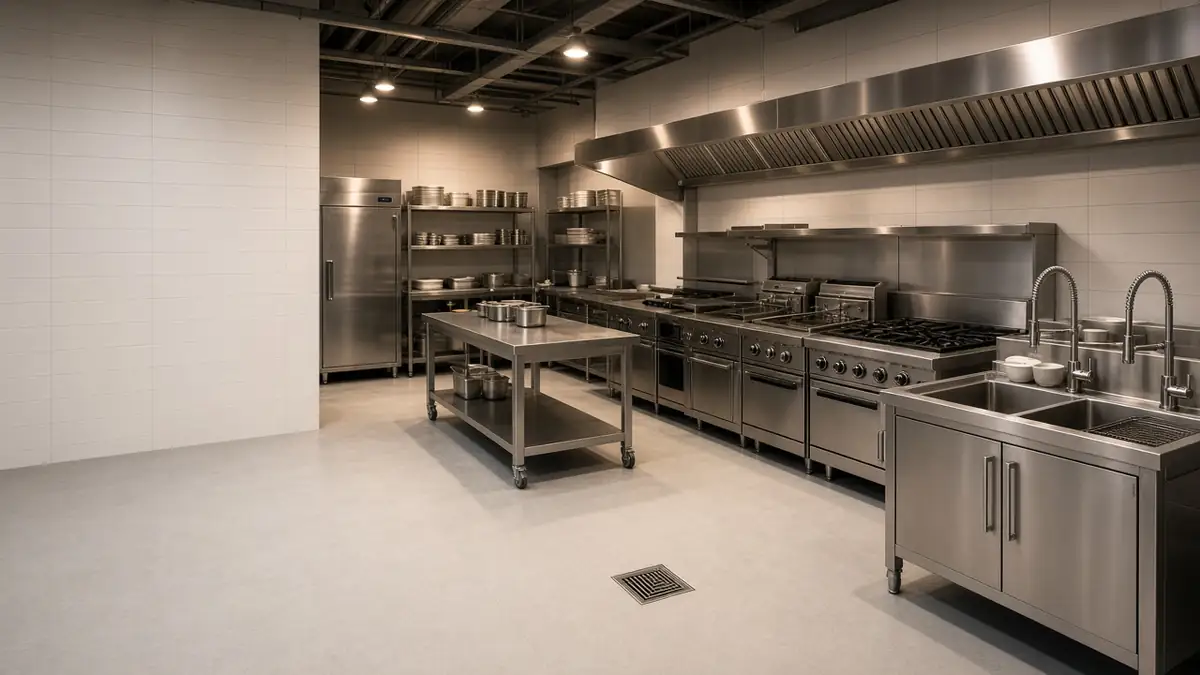
Grease trap cleaning services around Tulsa
Grease service isn't one-size-fits-all. Here's more detail on the common kinds of service in Tulsa and what to share so a hauler can quote quickly.
Outdoor and in-ground interceptors
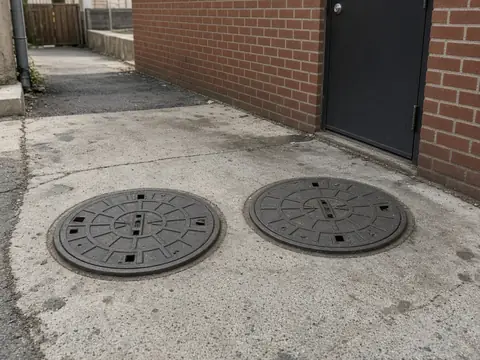
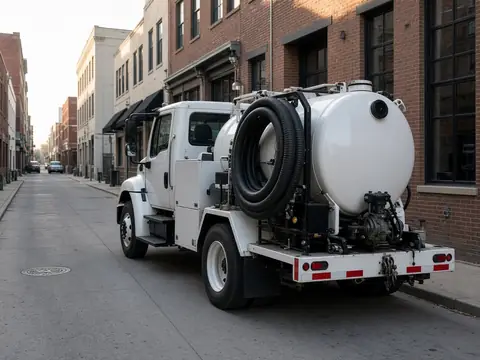
Large interceptors, often buried outside near the kitchen, are pumped by vacuum truck. A full service removes the floating grease, the water and the settled solids, and the technician checks baffles, inlet and outlet for damage or blockage. Interceptors under parking lots need clear access on service day.
Note your interceptor's size in gallons if you know it, or the size printed on the lids, and where it's located.
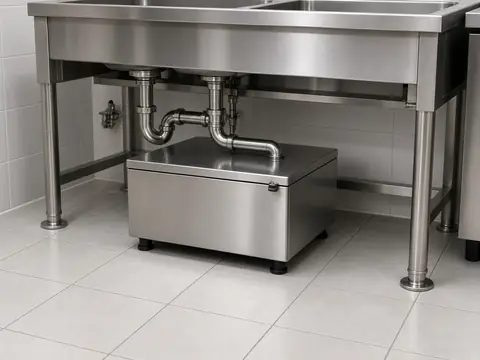
Indoor under-sink traps
Smaller hydromechanical traps under sinks fill faster and usually need more frequent cleaning. Some kitchens clean these in-house between professional services; check the city's requirements for how this must be handled and documented.
Recurring service schedules
Most kitchens do best on a fixed schedule set by how fast the trap fills. A hauler can measure buildup over the first few visits and adjust. Scheduled service also keeps your manifests regular, which helps during inspections.
Drain line jetting
Grease builds up in the lines between the kitchen and the trap, causing slow drains and backups. Hydro-jetting clears those lines. It's often scheduled alongside trap pumping.
Used cooking oil
Fryer oil should never go down the drain. Rendering companies and some haulers collect used oil in outdoor containers for recycling. Ask whether a hauler offers it or can recommend a collector.
Free matching service by Voraus LLC. We connect you with independent local grease trap haulers. We are not a grease hauler and do not perform the work.
Common grease service requests
Grease interceptor pumping
Pumping large in-ground or outdoor interceptors, the standard for many full-service restaurants.
Under-sink grease trap cleaning
Cleaning smaller indoor traps, which usually need more frequent service.
Scheduled maintenance plans
Recurring service on a set schedule so your trap never gets too full and your records stay current.
Line jetting
Hydro-jetting kitchen drain lines to clear grease buildup between the kitchen and the trap.
Used cooking oil collection
Collection of fryer oil for recycling, which some haulers and renderers provide alongside trap service.
Emergency service
Backups, overflows and odors that can't wait for the next scheduled visit.
Inspections and records
Manifests for every pump-out and help keeping records ready for city inspections.
New or changing service
Opening a new location, changing hauler, or adjusting frequency after a menu or volume change.
What affects the cost of grease trap service
Trap size
Larger interceptors hold more and take longer to pump and dispose of. Pricing often depends on gallons.
Service frequency
More frequent service means more visits but less buildup per visit. The right frequency depends on how much grease your kitchen produces.
Condition and buildup
A trap that has gone too long can have hardened grease and solids that take more time to remove.
Access
Interceptors under parking lots, in tight alleys or indoors under equipment can take more time to reach and open.
Disposal
Haulers pay to dispose of grease waste at licensed facilities, which is built into pricing.
After-hours or emergency work
Service outside business hours or on short notice often costs more.
Ready to get your grease trap cleaning project moving?
Just send what you know: "Full-service restaurant near Cherry Street, 1,000-gallon outdoor interceptor, pumped every 90 days, want a new hauler starting next month."