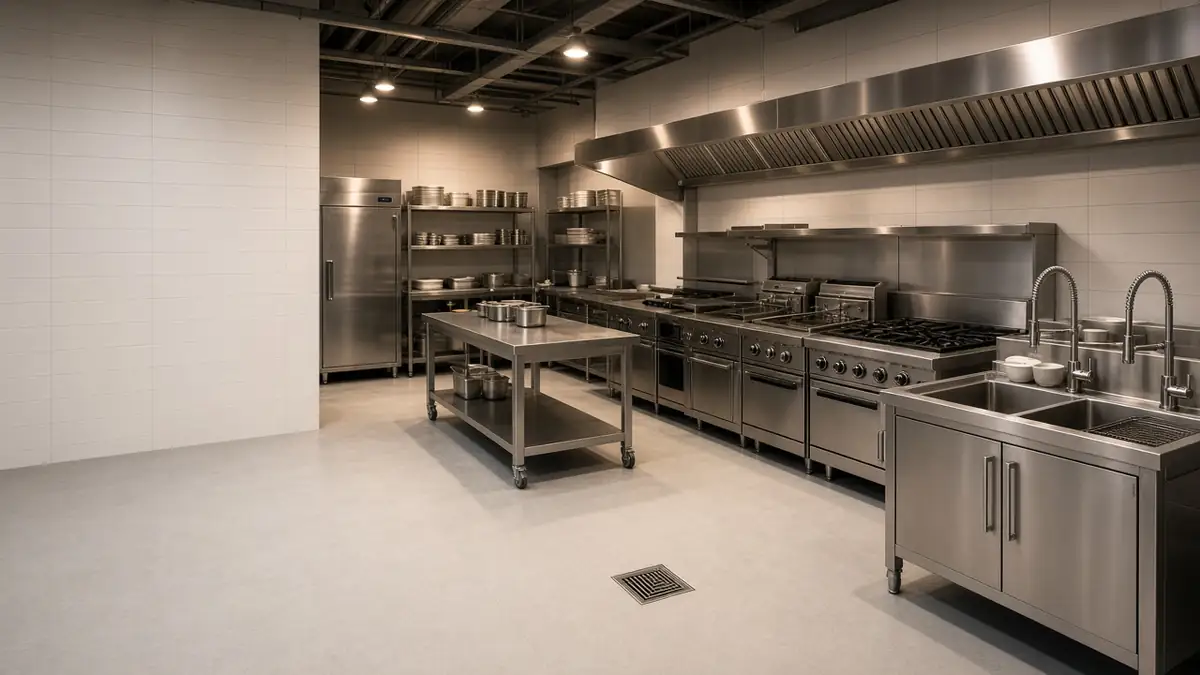
Where we take grease trap cleaning requests
We pass Tulsa requests to independent haulers and ask them to confirm their City of Tulsa permit. Many also serve surrounding cities, which may have their own rules. If your city isn't listed, send the request anyway.
City of Tulsa is the core area, with requests welcome from Tulsa, Rogers, Wagoner, Creek and Osage county communities.
Tulsa
Downtown, Brookside, Cherry Street, the Pearl District, midtown, and restaurant corridors across the city.
Broken Arrow
Southeast of Tulsa; has its own utility and grease requirements.
Jenks
South of Tulsa along the Arkansas River, including the riverfront retail area.
Bixby
South Tulsa County, with growing restaurant corridors.
Owasso
North of Tulsa, along US-169 and the Highway 20 corridor.
Sand Springs
West of Tulsa, along the river.
Sapulpa
Creek County, southwest of Tulsa.
Glenpool
South of Tulsa along US-75.
Catoosa
East of Tulsa, near the port.
Claremore
Rogers County, northeast of Tulsa.
Coweta
Wagoner County, southeast of Broken Arrow.
Tulsa's grease rules, in plain language
The City of Tulsa regulates grease handling under Title 11-C, Chapter 13 of its Revised Ordinances. In practice, that means food service establishments connected to Tulsa's sanitary sewer must maintain their grease control devices, and only companies the city has permitted may service and clean grease traps and transport grease-laden wastewater to an approved disposal facility within the city's sewer service area. The city publishes the list of permitted companies on its website.
Each time your trap is serviced, the hauler fills out a grease hauler manifest and leaves a copy with you. After disposal, a final manifest should be returned to you. Keep these records, because they show that your trap is being maintained and the waste was disposed of properly. City quality-assurance staff can answer questions about the program.
How often you need service depends on the size of the device and how much grease your kitchen produces. A busy fryer-heavy kitchen fills a trap far faster than a coffee shop. Many FOG programs nationwide use a rule of thumb that a trap should be pumped before grease and solids take up about a quarter of its depth; ask your hauler or the city what standard applies to you, and adjust frequency if inspections show heavy buildup.
If your business is in Broken Arrow, Jenks, Bixby, Owasso, Sand Springs or another suburb, your city or sewer provider may have its own grease rules and approved hauler requirements, separate from Tulsa's. Tell us your address, and confirm the local rules with your city.
Tulsa's restaurant scene ranges from downtown and Brookside spots to chains along 71st Street, Memorial Drive and Highway 169, plus school cafeterias, hospitals, hotels, churches and food production facilities. Each has different volumes and access. A small café with an under-sink trap and a large restaurant with a 1,500-gallon outdoor interceptor need very different service plans, so include your kitchen type, hours, and anything about access, like interceptors under drive-thru lanes or in shared alleys.
Coverage depends on which independent providers are available for your location and job. We can't promise every request will be matched. Free matching service by Voraus LLC. We connect you with independent local grease trap haulers. We are not a grease hauler and do not perform the work.
Ready to get your grease trap cleaning project moving?
Just send what you know: "Full-service restaurant near Cherry Street, 1,000-gallon outdoor interceptor, pumped every 90 days, want a new hauler starting next month."